
Last August, we started planning our first epic European ski trip. Epic because finding dates, figuring out the logistics and choosing a place that worked for seven people traveling from different countries—with very different ability levels—was not easy, even after planning plenty of ski trips in the U.S. Since we hadn’t skied in Europe before, we considered several resorts before landing on the Dolomiti Superski. It was the year of the Winter Olympics, so we were especially excited to ski in Italy. And most of all, we wanted to ski the Sellaronda, a 27-mile loop connecting four big ski areas. Whaaat?!
Our trip at a glance (7 ski days)
- When: Late February–early March 2026
- Group: 3 beginners + 4 advanced/experts; both skiers and snowboarders
- Where we stayed: Siusi, below Alpe di Siusi (Seiser Alm)
- No car: taxis, trains, FlixBus and local buses
- Where we skied: Alpe di Siusi, Val Gardena, Alta Badia, Arabba–Marmolada and Val di Fassa
There were 12 resorts to pick from. How did we narrow it down?
TL;DR: When choosing where to stay, focus on two things: your ability level and how much ground you want to cover. Advanced skiers have more flexibility—stay directly on the Sellaronda for easy access, or rent a car and consider cheaper areas farther away. If you’re still learning, study the map and check the exact lift near your hotel; not every lift takes you to beginner terrain. And no, skiing all 12 resorts in one week isn’t realistic. Plan for 2–4.
We knew we wanted to ski the Sellaronda and had already decided not to rent a car, so we needed to stay nearby. The loop connects four ski areas: Val Gardena, Alta Badia, Arabba–Marmolada and Val di Fassa. Alpe di Siusi is also close, which gave us five options total.
Since three people in our group were beginners, we started by looking for areas with lots of blue—or easy—runs. This is where planning got confusing. Unlike many resorts in the U.S., the ski areas don’t necessarily have one obvious base with a bunny slope. The lift closest to your hotel might drop you somewhere where the only way down is a red run—which could feel like a blue or sometimes even a black at an American resort. Fine if you’re a confident intermediate. Not ideal if you’re still learning or simply want an easy warm-up.
So yes, check the maps and the exact lifts near your hotel or Airbnb. We spent days studying them, and honestly, it was still hard to understand the layout and the sheer size of the place. It’s enormous!
We eventually picked 📍Alpe di Siusi because it seemed to have the most easy runs while keeping us relatively close to the Sellaronda and the other ski areas. It was perfect for our beginners and still had plenty of fun cruising for the rest of us.

Alpe di Siusi—the village and the mountain
One surprise: the easiest bunny slopes with magic carpets were reserved for ski schools. So unless you’re taking a lesson, you can’t use them. We had planned to start our friends there, but instead had to bring them to a slightly more intimidating, longer beginner run with a button lift. Thankfully, everyone figured it out right away.

Left: a very committed demonstration of old-school ski gear. Right: a red run at Alpe di Siusi.
Getting there and getting around (no car)
If you don’t want to rent a car, like us, there are a few different ways to reach the Dolomites. The best route depends on where you’re staying, but for Siusi, our two main hubs were Milan and Innsbruck.
- Option 1: Train from Milan: Take the train to Bolzano, then switch to a local bus. This requires the most coordination but is one of the cheaper options.
- Option 2: FlixBus from Milan or Innsbruck: Both cities have buses to Bolzano, where you can switch to a local bus. This was the cheapest option we found, although the departure times didn’t work especially well for us. Check the schedule for your dates.
- Option 3: Private transfer: Transfers are available from both Milan and Innsbruck, but the quotes from Milan were much higher. From Innsbruck, a minivan can be very affordable if you split it between six people.
Our plan was for half of the group to travel from Milan by train and local bus, while the other half took a private transfer from Innsbruck. We were in the Innsbruck group, and everything was seamless: the driver met us at the airport, loaded our bags and drove us directly to our Airbnb in about 1.5 hours. It cost around $350 one way, which was pricier for three people but would have been very reasonable for a larger group.

The taxi group—very happy with our decision 🙂
Our friends traveling from Milan were less lucky. Every train on their route was cancelled that day. They ended up booking a FlixBus to Bolzano, then continued to Siusi by local bus. So yes, trains can be a bit unpredictable. Apparently, train strikes are pretty common in Europe.
Local mountain buses
You can get around by local bus, but the buses don’t connect everything and the schedules vary throughout the day. They were helpful for certain connections. For example, to get from Alpe di Siusi to Val Gardena, we took ski bus #12 from Saltria to Monte Pana in Santa Cristina. During our trip, it cost €5 each way, the first departure was around 9 a.m. and the last bus back left around 4–4:20 p.m.—even though some lifts stayed open until 5. We missed this direct 10–15-minute bus once and had to take three different buses instead. It took forever.

For longer trips, things got less convenient. You can find routes involving multiple buses, but you may have to wait a while between transfers. Taxis are also pricey, so several times we ended up spending a few hours getting between buses and taxis.
Our main conclusion: if you want easy access to several ski areas, stay directly on the Sellaronda. If you want more flexibility, rent a car. If you’re happy skiing one or two areas, you have more options and can use local transportation when you need it.
Weather
Our European friends were shocked when we suggested skiing at the end of February and beginning of March. “Isn’t that too late?” We assured them it was prime ski season. Well, they may have had a point. It definitely felt like spring skiing in the Dolomites.
It was very warm. Siusi is down in the valley, where temperatures reached 50–60°F. There was no snow in the village—it looked like full-on spring. But from our Airbnb, we could walk to a gondola that took us up to Alpe di Siusi in about 20 minutes. There was plenty of snow there and almost everything was open.
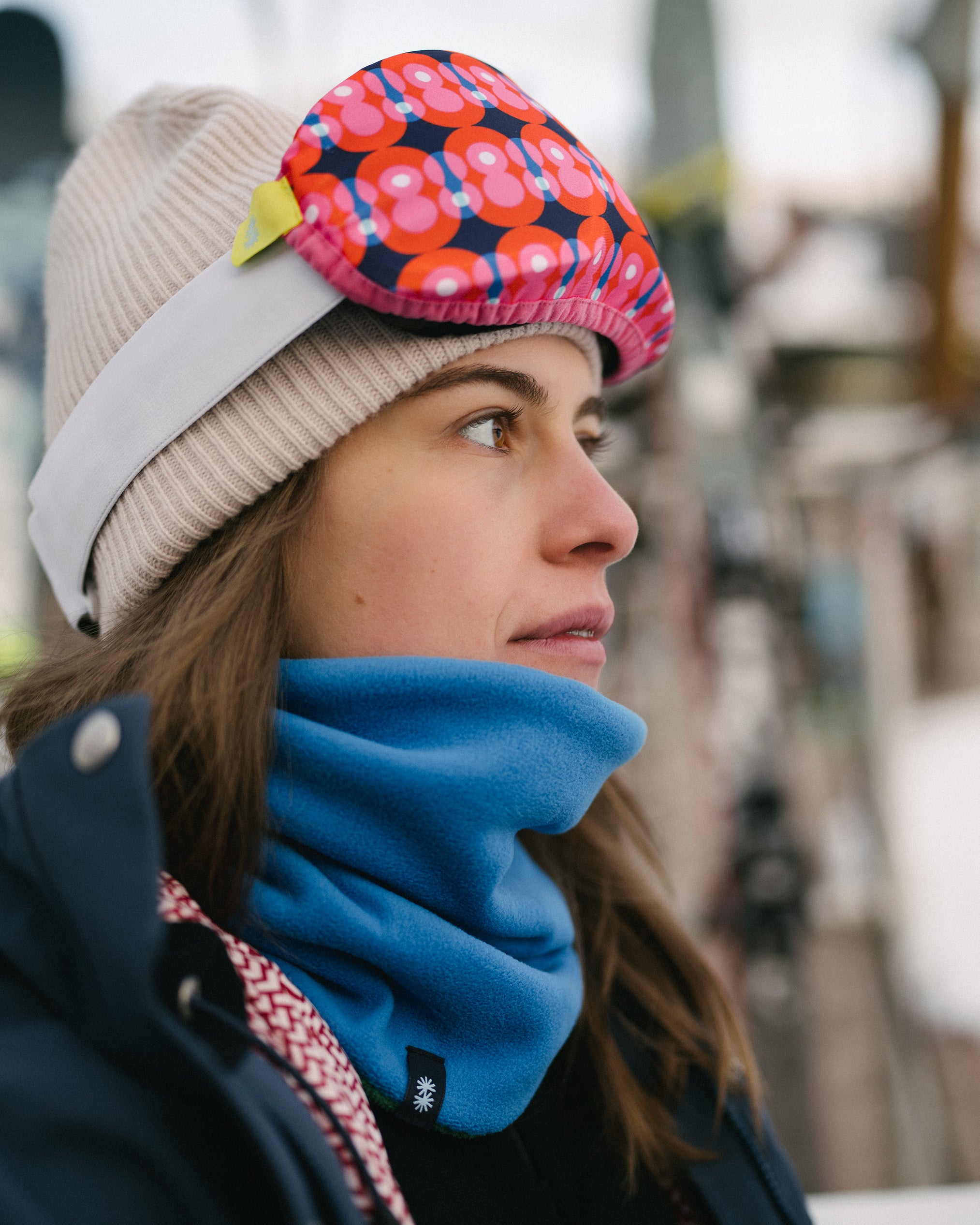
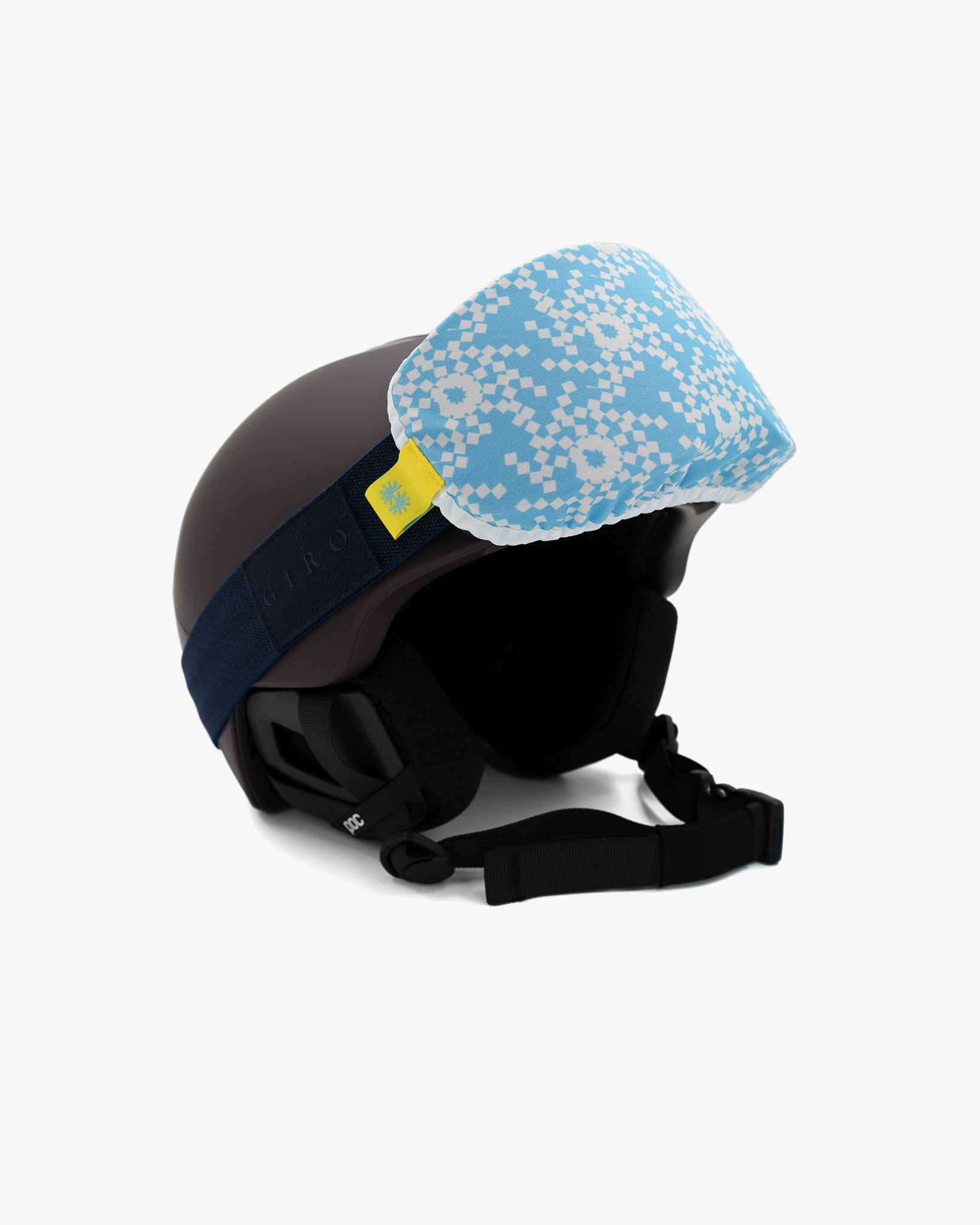
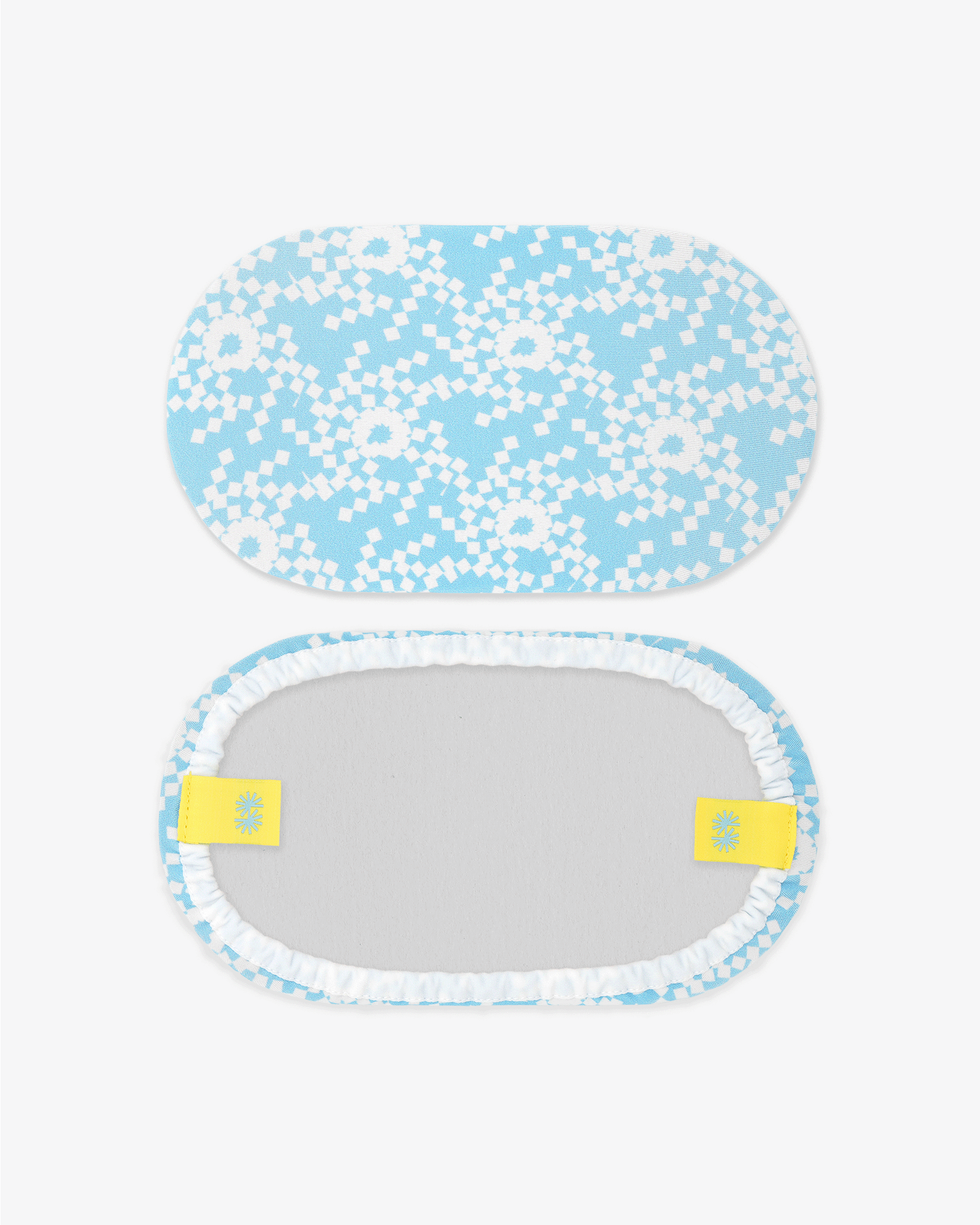
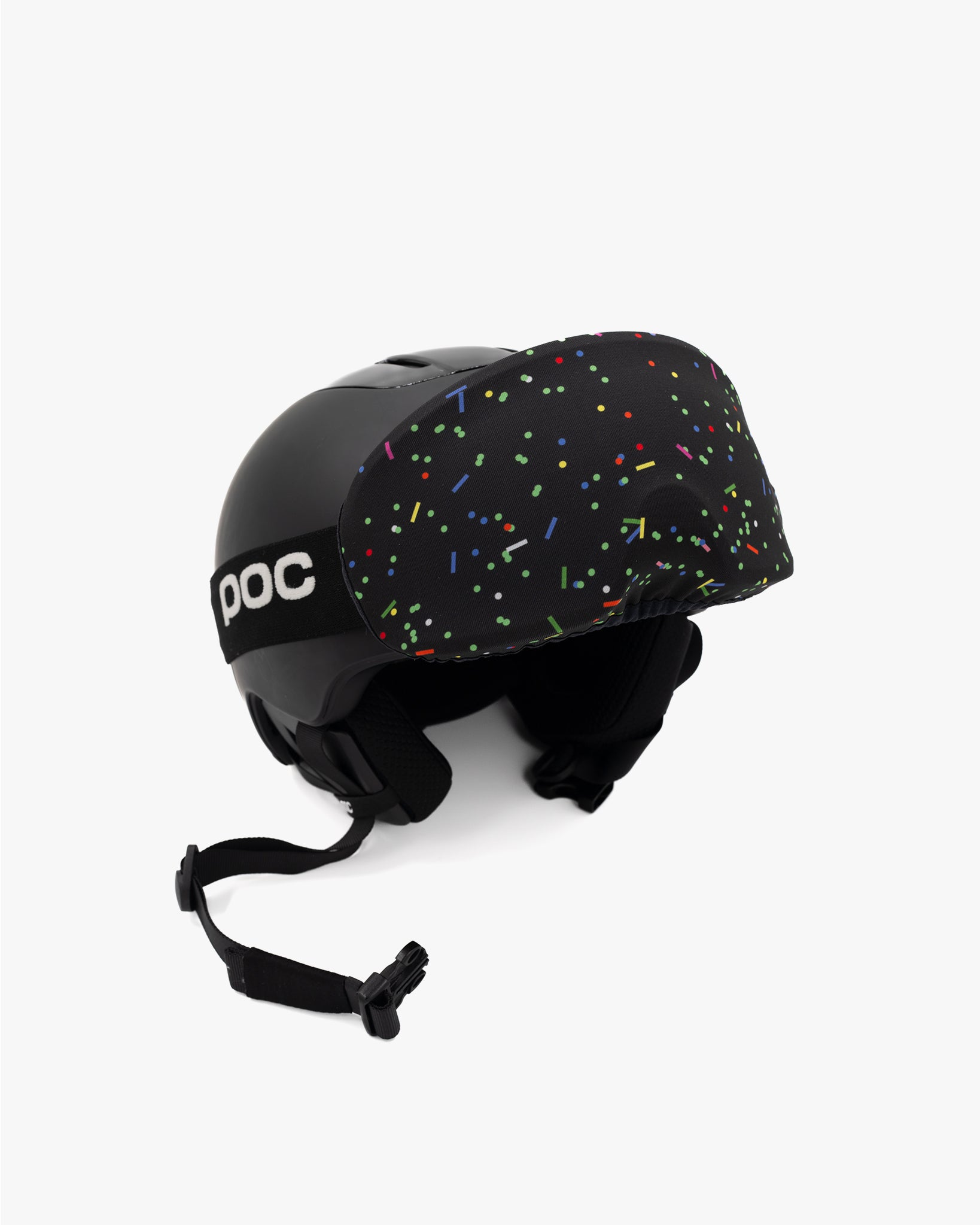
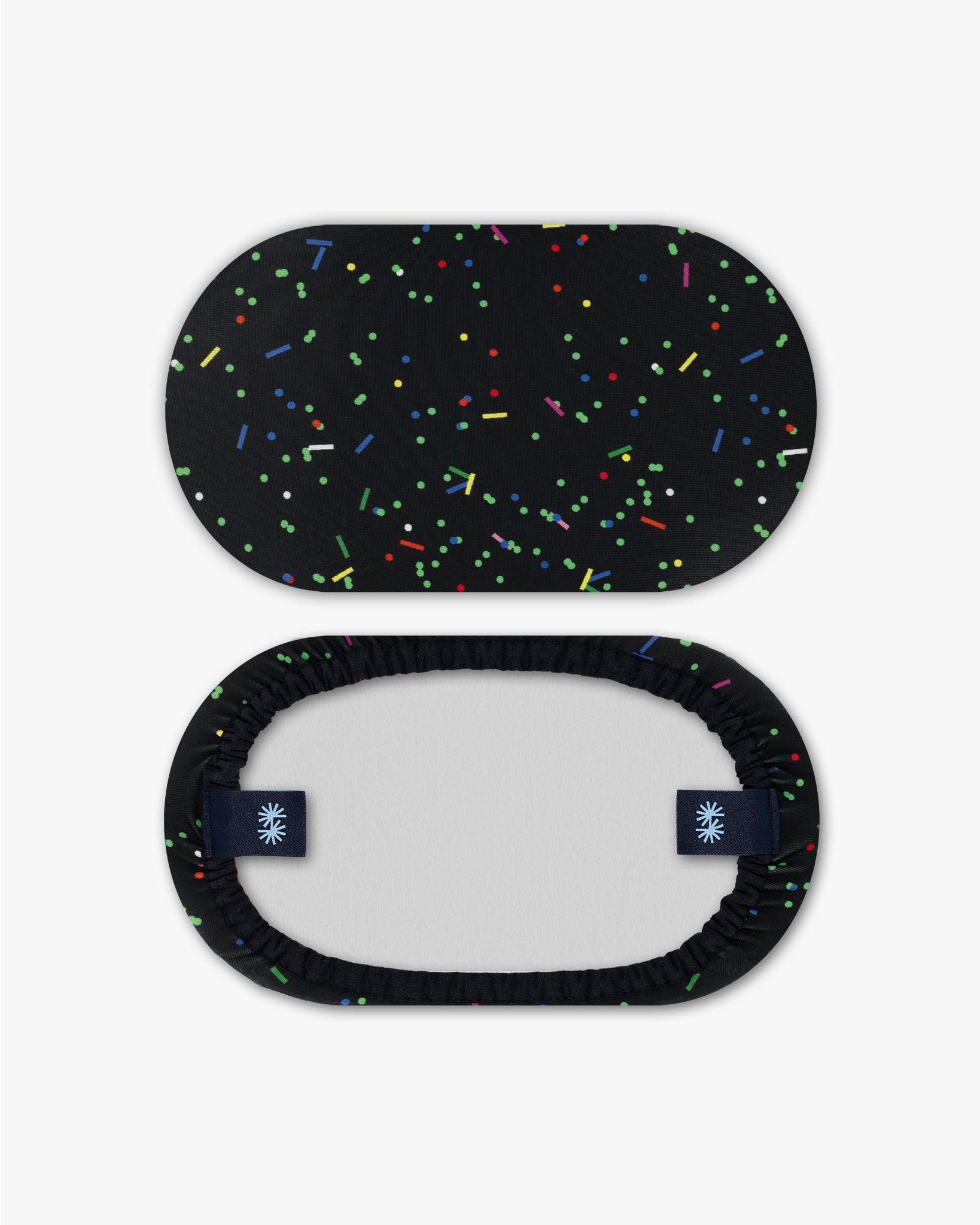
The snow was crunchy and frozen in the morning, although the grooming was great and we rarely encountered solid ice. By noon, it turned into slush. The weather itself was perfect: warm, sunny EVERY single day. Great for sitting outside. A little challenging for your legs—skiing through slushy moguls all afternoon is tiring! So yes, bring sunglasses or tinted lenses, sunscreen and a shell jacket. And a goggle cover if you’re not wearing your goggles!

Yumi enjoying the Italian sunshine
It dumped once, but only for half a day, so we got one fun taste of fresh powder. Other than that, it was warm, wet and slushy.
If we planned the trip again, we’d probably go sometime between late January and mid-February to give ourselves a better chance of colder, more wintry conditions. Of course, the weather is never guaranteed—and we might have to give up some of those sunny outdoor lunches!
Lift tickets and ski insurance
First things first: ski insurance has to be bought separately from your lift ticket, even if you’re using Ikon. Third-party liability insurance is mandatory in Italy and cost us around €3 per day. You can buy it through the Dolomiti Superski website.
The full Ikon Pass includes seven days at Dolomiti Superski, while Ikon Base includes five. If you don’t have Ikon, you can buy a pass for one ski area, a full Dolomiti Superski pass covering all 12 areas or a points card.
During our trip, the prices were approximately:
-
One ski area: €80 per day, or €76 online
-
Full Dolomiti Superski: €86 per day, or €82 online
There wasn’t much of a multiday discount, but buying online in advance saved around 5%.

Left: the cutest retro gondola in Alta Badia. Right: the Sellaronda map—and that’s still only part of Dolomiti Superski.
Is the points card worth it?
The points card is basically a pay-per-lift option that you can use over multiple days. During our trip, €50 bought 600 points, €80 bought 1,000 and €150 bought 2,100. Each lift used around 20–260 points, with gondolas generally costing more than small lifts.
In our case, the gondola from Siusi to Alpe di Siusi cost 210 points each way. That meant using 420 points every day before we took a single ski lift. Add a few beginner lifts and the €50 card was basically gone.
The points card might make sense if you already have your own gear, are staying next to an inexpensive lift and only want to take a few runs. If you need a gondola just to reach the ski area—or you’re planning to ski all day—the regular day pass is probably a better deal. We all ended up buying day passes.
Prices change, so check the current lift-ticket options before you go.
Gear, rentals and lessons
You can rent almost everything. Shops offered not only skis, boots and helmets, but also jackets, pants and even helmets with built-in visors, so you don’t necessarily need to bring goggles. You’ll still need your own gloves, socks and base layers. You can download our full gear checklist here.
The rental gear was actually nice. Even the cheapest beginner package came with newer boots and skis in good condition. Renting for three or more days was cheaper, but if you’re not sure you want to ski every day, you can start with fewer days and extend the rental pretty easily. You can also pick everything up the evening before, which makes the first morning much less stressful.
For reference, beginner skis, boots and a helmet cost around €56 for one day or €48 per day when booked for three or more days. Overall, the process was easy and smooth for everyone in our group who rented.
Lessons
At our local ski school, group lessons required a three-day commitment—you couldn’t book just one day. Each lesson was 1.5 hours, and the three-day package cost around €159.
Private lessons were more flexible and cost around €70–80 per hour. One person in our group booked a private lesson for half a day to work on her technique. Her instructor didn’t speak much English, but she was still pretty happy with the lesson.